
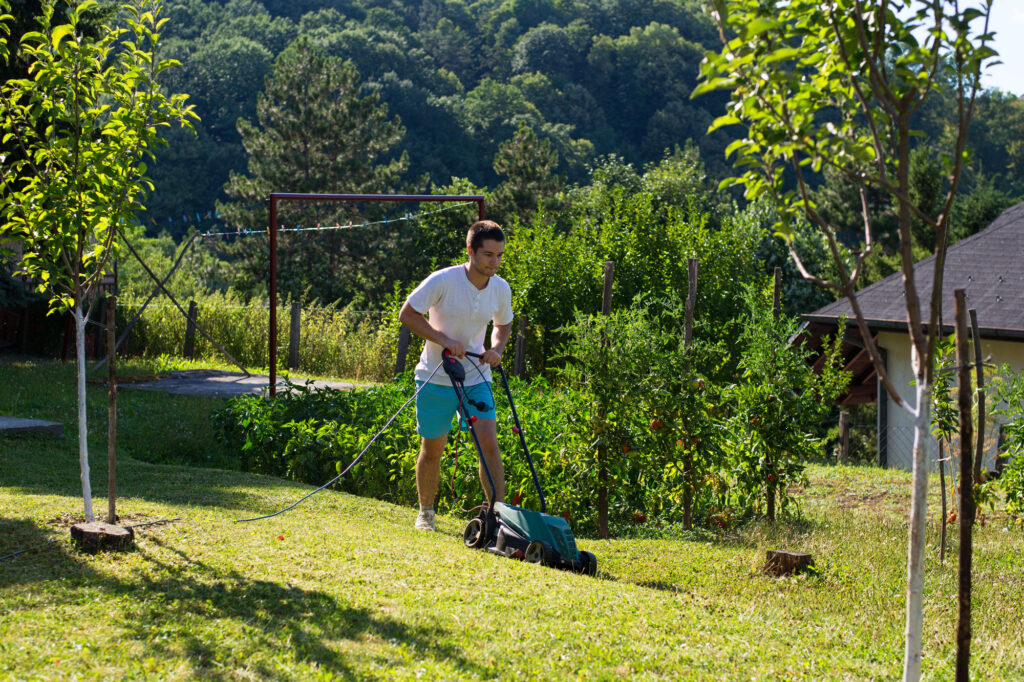
Every year, American homeowners apply more than 90 million pounds of pesticides and herbicides to lawns. Unfortunately, what goes on our lawns ends up in the river. A USGS study of the lower Clackamas River basin found that 97% of tributary water samples contained two or more types of pesticides, often exceeding safety standards for aquatic life. Sensitive local species like salmon are taking the hardest hit.
Fertilizers are also commonly used to encourage greener grass and faster growth. While these products may improve the appearance of our yards, they don’t stay where we put them. Rainfall and irrigation can wash excess chemicals into storm drains, which often flow directly to local waterways without treatment.
What happens in our yards ultimately affects the rivers and streams that support our communities.
Cultivate a Healthier Lawn Naturally
A thick, healthy lawn is often the best defense against weeds and pests. Some simple practices can eliminate the need for chemical treatments.
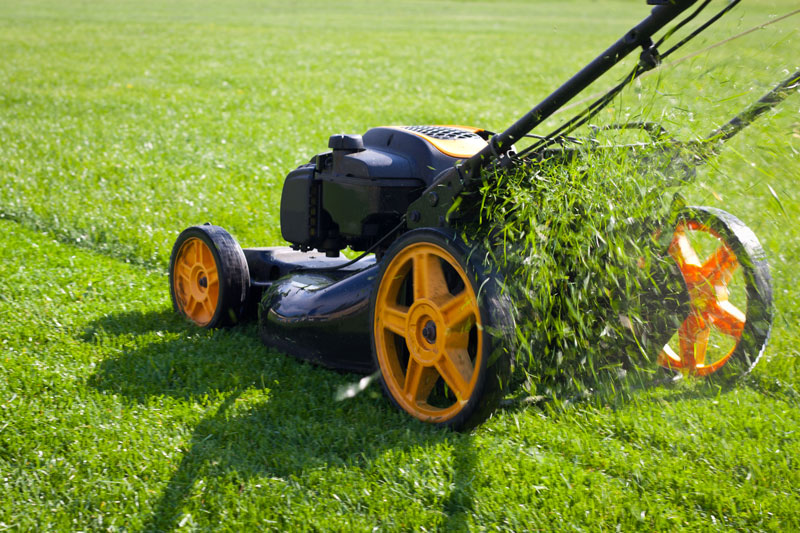
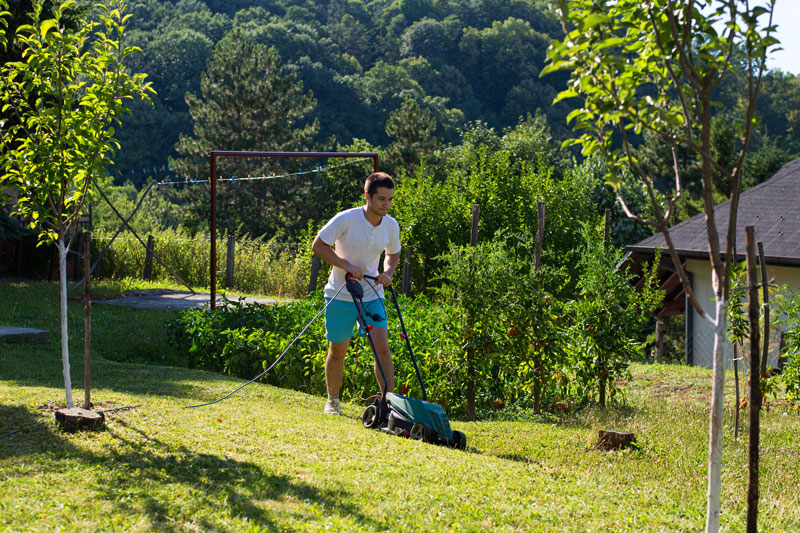
- Mow Higher: Keep grass around three inches tall and avoid removing more than one-third of the blade at a time. Taller grass develops deeper roots, shades out weeds, and stays healthier during dry periods.
- Leave Grass Clippings: Grass clippings return nutrients to the soil naturally, reducing the need for fertilizer applications.
- Overseed Regularly: Overseeding in spring or fall helps maintain dense turf that naturally outcompetes weeds.
- Aerate and Dethatch: Periodic aeration and dethatching improve soil health, allow water to soak in more effectively, and encourage stronger root growth.
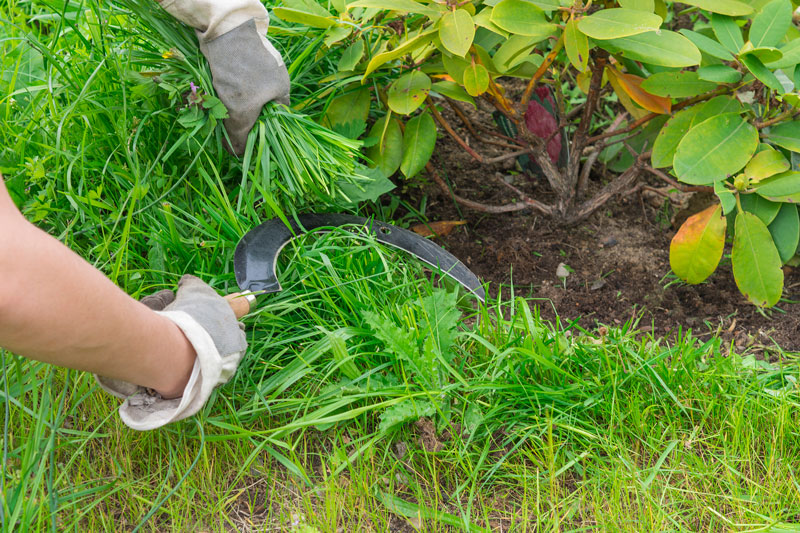
- Pull Weeds Instead of Spraying: Removing weeds when they are small is often easier than treating them with herbicides. Simple weeding tools can make the job quick and effective.
- Use Fertilizer Sparingly: If fertilizer is needed, choose a slow-release product and apply only the recommended amount. Avoid applying fertilizer before rain, when it is most likely to wash away.
For more tips on lawn care, check out What’s Your Lawn Style. And for a free personalized lawn routine, take a short questionnaire here.
Rethink the Role of Lawns
Lawns are often one of the most water-intensive parts of a landscape. Reducing the size of your lawn can lower water use, decrease maintenance, and eliminate the need for many chemical inputs.
Consider replacing portions of turf with native plants, groundcovers, shrubs, or pollinator-friendly gardens. Native plants are adapted to local conditions and typically require less water, fertilizer, and pest control once established.
The principle is simple: put the right plant in the right place.
Observe which plants already thrive in your yard and choose species that are well-suited to your site’s soil, sunlight, and moisture conditions. Grouping plants with similar water needs together—a practice known as hydrozoning—can make irrigation more efficient and reduce waste.
Check out this handy resource for native plants: Water Efficient Plant Guide for the Willamette Valley.
Slow Down Stormwater with Plants
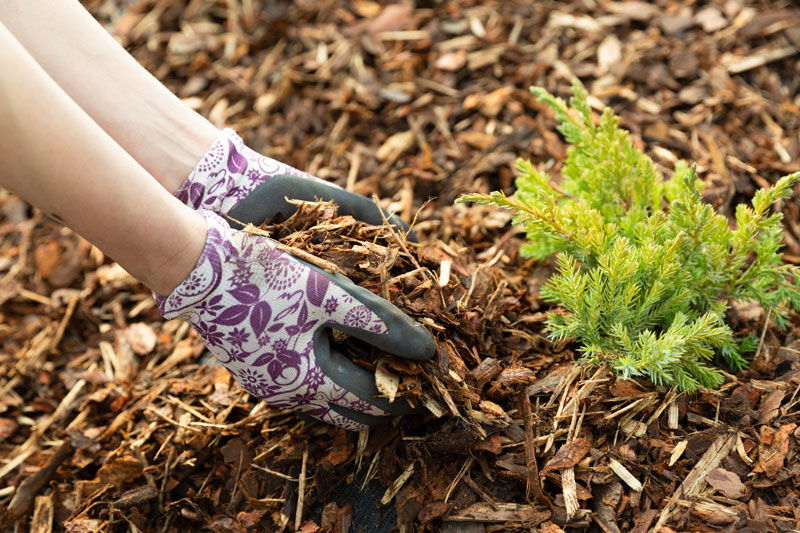
One of the most effective ways to protect water quality is to keep rainwater where it falls.
Trees, shrubs, and deep-rooted native plants help absorb rainfall, slow runoff, and filter pollutants before they reach storm drains. Areas that occasionally collect water can be planted with species that tolerate wetter conditions, helping soak up excess runoff naturally.
Rain gardens are another way to beautify your yard while helping your watershed.
A rain garden is a shallow, planted depression designed to capture runoff from rooftops, driveways, and other hard surfaces. Instead of allowing water to rush into storm drains carrying pollutants with it, rain gardens allow water to soak into the soil, where it is naturally filtered.
Rain gardens can:
- Reduce pollution entering rivers and streams.
- Recharge groundwater supplies.
- Help maintain stream flows during dry periods.
- Provide habitat for birds, butterflies, and pollinators.
- Add beauty and biodiversity to residential landscapes.
Every Yard Makes a Difference
Protecting clean water doesn’t require a complete landscape makeover. Small changes—using less fertilizer, skipping pesticides, watering wisely, planting native plants—can have a meaningful impact.
Our yards are part of a larger watershed. The choices we make at home influence the health of local rivers, streams, and wetlands, as well as the wildlife that depend on them.
A healthy landscape doesn’t have to come at the expense of clean water. By working with nature instead of against it, we can create beautiful, resilient yards that support both our communities and the waterways that connect us all.