Your yard can have a big impact on water quality. When it rains, water carries anything and everything straight into nearby streams—loose soil, chemicals like fertilizer or weed killers, or pet waste.
Healthy yards function like mini-ecosystems, filtering pollutants, absorbing water, and supporting biodiversity.

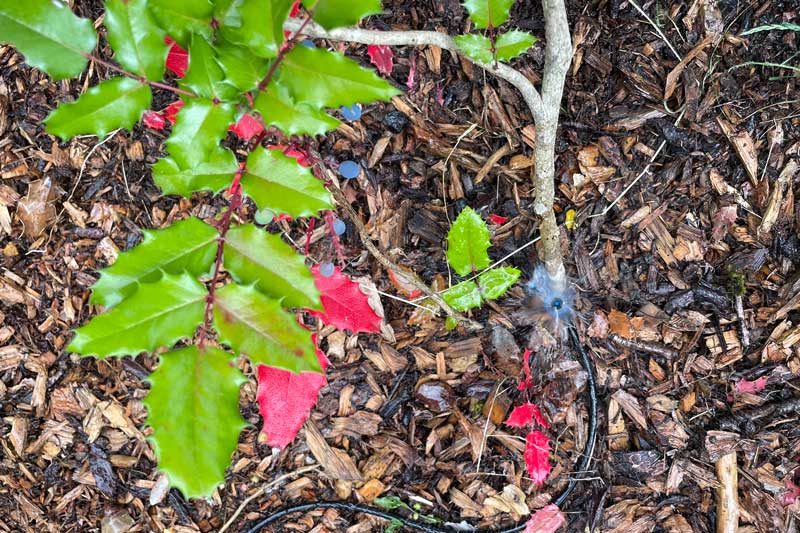
Pet waste carries bacteria and nutrients that can pollute waterways and disrupt aquatic ecosystems. Scoop your pet’s poop and don’t forget to follow leash and scoop laws in parks.

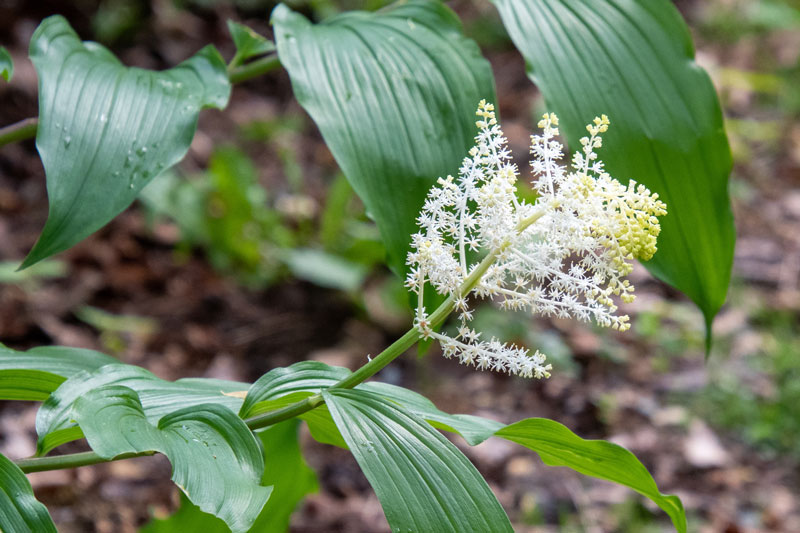
Native plants require less water, support pollinators, and stabilize soil—reducing erosion and runoff. You could also consider creating an Eco-roof or rain garden to help filter and absorb rainwater naturally. Learn how to build your own rain garden or sign up for the Backyard Habitat Certification Program.

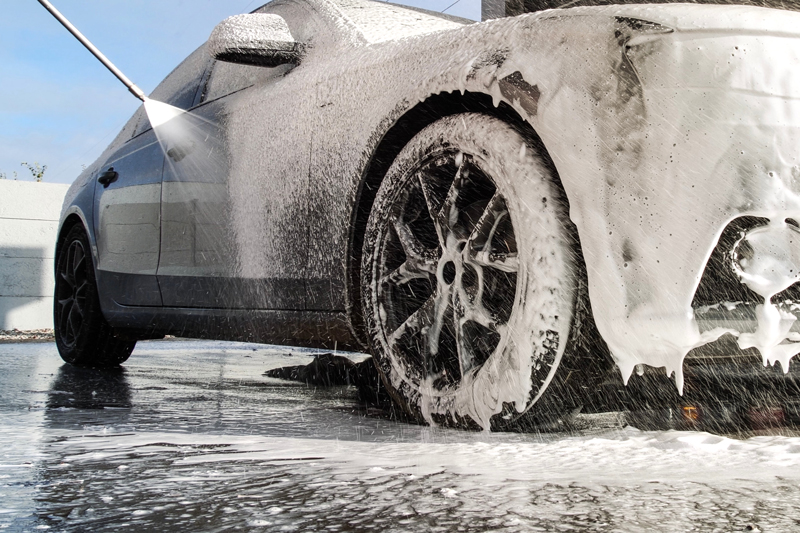
Whatever washes off your car can also end up in local waterways. The best option is to use a commercial car wash, where they treat and recycle the water. If you wash your car at home, make sure to wash your car on grass or gravel so the soil can filter pollutants, use waterless cleaning products when possible, and direct runoff away from storm drains. Get more car washing tips here.
An interview Philip Fensterer about his naturescaped yard!
Help prevent flooding by properly disposing of leaves.
Learn how to spread grass seed over your lawn.
Why turf experts recommend avoiding weed and feed products.
Ask a Master Gardener: Have a question about…pretty much anything yard-related? Get it answered by an expert!
What’s Your Lawn Style: Learn water-friendly lawn care practices based on your preferences.
Level Up Your Lawn: Take a five-minute survey to get a free lawn routine tailored to you and your garden.